The ultimate christmas cookie recepie
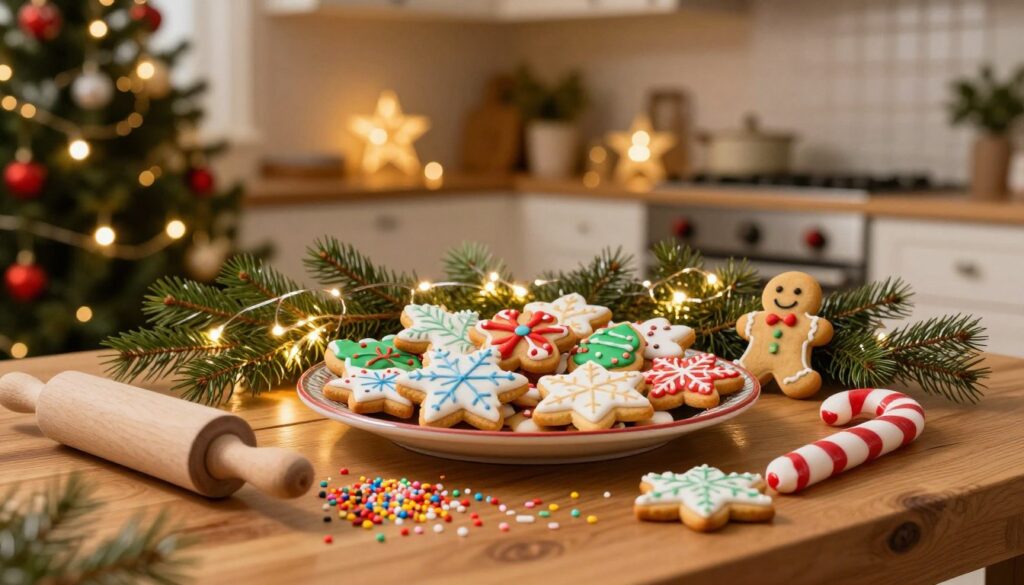
Did you know that over 200 million batches of festive treats are baked in American homes every December? This staggering number highlights how much we cherish the warmth of a kitchen filled with sweet aromas during the winter season.
Whether you are a novice in the kitchen or a seasoned pro, finding the best christmas cookies recipe is essential for your seasonal success. These small bites serve as the foundation for family traditions, thoughtful gifts, and cherished memories shared with loved ones.
Our guide offers plenty of holiday baking inspiration to elevate your dessert table. From the zesty notes of cranberry orange to the comforting spice of gingerbread, we explore diverse flavor profiles that define the season. You will discover how to master classic peppermint chocolate delights or experiment with modern salted caramel twists.
Key Takeaways
- Discover a reliable foundation for all your seasonal baking projects.
- Learn how homemade treats strengthen family bonds and traditions.
- Explore a variety of flavor profiles including gingerbread and citrus.
- Gain confidence in the kitchen with tips for both beginners and experts.
- Find creative ideas for gifting and hosting festive gatherings.
What Makes These the Best Christmas Cookies Recipe
What truly defines the best christmas cookies recipe for your home? It comes down to a blend of reliability, flavor, and the joy of sharing something homemade. A truly great cookie should be soft, buttery, and sturdy enough to hold its shape while melting in your mouth.
A festive combination of buttery texture and classic holiday flavor
The foundation of any popular cookie recipes for Christmas lies in the quality of the ingredients. By using high-quality butter and pure vanilla extract, you create a rich base that feels indulgent. This specific dough offers a tender crumb that pairs perfectly with festive glazes or simple dusting of sugar.
These cookies capture the essence of the season through familiar, comforting notes. You can easily enhance the base flavor with hints of almond, nutmeg, or cinnamon to suit your personal preferences. The result is a versatile treat that feels both nostalgic and fresh.
Why this recipe works for cookie exchanges and family baking
When you need delicious cookie exchange treats, consistency is your best friend. This recipe is designed to be dependable, ensuring that every batch comes out of the oven looking uniform and professional. It is an excellent choice for busy holiday schedules because it minimizes stress while maximizing output.
- Reliable results: The dough is easy to handle and holds intricate shapes perfectly.
- Family-friendly: Kids love helping with the rolling and decorating process.
- Scalability: You can easily double or triple the batch for large gatherings.
How the recipe balances simplicity, presentation, and taste
Finding easy holiday cookie ideas that do not sacrifice quality is often a challenge. This approach focuses on streamlined techniques that allow you to spend less time in the kitchen and more time enjoying the festivities. You do not need professional culinary skills to achieve a beautiful, bakery-style finish.
The secret is in the balance of a simple dough with creative finishing touches. By using colorful sprinkles, royal icing, or a light chocolate drizzle, you can transform a basic cutout into a stunning centerpiece. This method ensures that your cookies are as visually appealing as they are delicious.
Ingredients for Classic Christmas Cookies
Creating the perfect holiday treat starts with selecting high-quality ingredients for your traditional christmas cookie recipes. When you start with the right foundation, you ensure that every bite delivers the perfect balance of sweetness and texture.
Essential ingredients for the buttery cookie dough
Choosing unsalted butter, granulated sugar, and powdered sugar
Always reach for unsalted butter to maintain full control over the salt content in your dough. Using high-quality butter provides a rich, creamy base that defines the classic holiday taste.
Granulated sugar helps the cookies maintain their structure, while powdered sugar creates a delicate, melt-in-your-mouth crumb. Combining these two sugars ensures your cookies are both sturdy enough to hold their shape and tender enough to enjoy.
Using fresh eggs, vanilla extract, and all-purpose flour
Fresh, room-temperature eggs act as the primary binder for your dough. When paired with high-quality vanilla extract, they create a fragrant base that serves as a blank canvas for your favorite holiday flavors.
All-purpose flour provides the necessary structure for your cutouts. Be sure to measure it carefully to avoid a dry or crumbly texture that can ruin your traditional christmas cookie recipes.
Optional ingredients for seasonal flavor
Adding almond extract, cinnamon, nutmeg, or citrus zest
You can easily customize your dough by adding a splash of almond extract for a nutty depth. Spices like cinnamon and nutmeg bring a warm, cozy aroma that defines the holiday season.
Fresh citrus zest, such as lemon or orange, adds a bright pop of flavor. These additions allow you to create unique variations without needing to alter the core dough recipe.
Selecting festive sprinkles, sanding sugar, and food coloring
Visual appeal is just as important as taste during the holidays. Use vibrant food coloring to tint your dough or icing for a festive look.
Finish your creations with sanding sugar or seasonal sprinkles to add a delightful crunch. These small details transform simple cookies into professional-looking holiday masterpieces.
Ingredient substitutions for common dietary needs
While sticking to the original recipe yields the best results, you can make adjustments for dietary preferences. If you need to swap ingredients, keep these common changes in mind:
- Gluten-free flour: Use a high-quality 1:1 baking blend, but expect a slightly different texture.
- Butter vs. Margarine: Butter provides superior flavor, while margarine may cause the cookies to spread more during baking.
- Vanilla: Pure vanilla extract is preferred, though vanilla bean paste offers a more intense flavor and beautiful visual specks.
Remember that any substitution in your traditional christmas cookie recipes may change the final spread or crispness. Always test a small batch if you are experimenting with new ingredients for the first time.
Essential Equipment for Holiday Cookie Baking
Your holiday cookie project begins long before you mix the dough by gathering the right supplies. Following effective homemade cookie baking tips helps you create a smooth workflow in your kitchen. Having the right tools at your fingertips ensures that your baking session remains enjoyable and stress-free.
Preparing baking sheets and parchment paper
High-quality baking sheets are the foundation of a perfect cookie. Light-colored, heavy-gauge aluminum pans provide the most even heat distribution for consistent browning. Always line your pans with parchment paper to prevent sticking and make cleanup simple.
Using a stand mixer, hand mixer, or wooden spoon
The choice of mixing tool often depends on the volume of dough you plan to prepare. A stand mixer is ideal for large batches, while a hand mixer offers great control for smaller projects. For those who prefer a traditional approach, a sturdy wooden spoon works well for simple doughs.
| Tool Type | Best For | Effort Level |
|---|---|---|
| Stand Mixer | Large batches | Low |
| Hand Mixer | Medium batches | Moderate |
| Wooden Spoon | Small batches | High |
Choosing cookie cutters, rolling pins, cooling racks, and piping bags
To achieve professional-looking results, invest in sharp, stainless steel cookie cutters. A smooth rolling pin with adjustable rings helps maintain an even thickness across your dough. Once baked, move your cookies to a wire cooling rack to ensure they set properly without becoming soggy.
If you plan to decorate, keep a few piping bags and various tips on hand. These tools allow you to add intricate details to your holiday treats. Utilizing these homemade cookie baking tips will elevate your final presentation significantly.
Why an oven thermometer improves baking consistency
Many home ovens do not heat to the exact temperature displayed on the dial. An inexpensive oven thermometer provides an accurate reading of the internal heat. This simple tool is one of the most important homemade cookie baking tips for avoiding burnt edges or undercooked centers.
Prepare the Dough for a Tender, Flavorful Cookie
Achieving a tender cookie texture starts long before you preheat your oven. By focusing on the foundational steps of mixing, you ensure your soft chewy Christmas cookies maintain their quality from the first bite to the last.
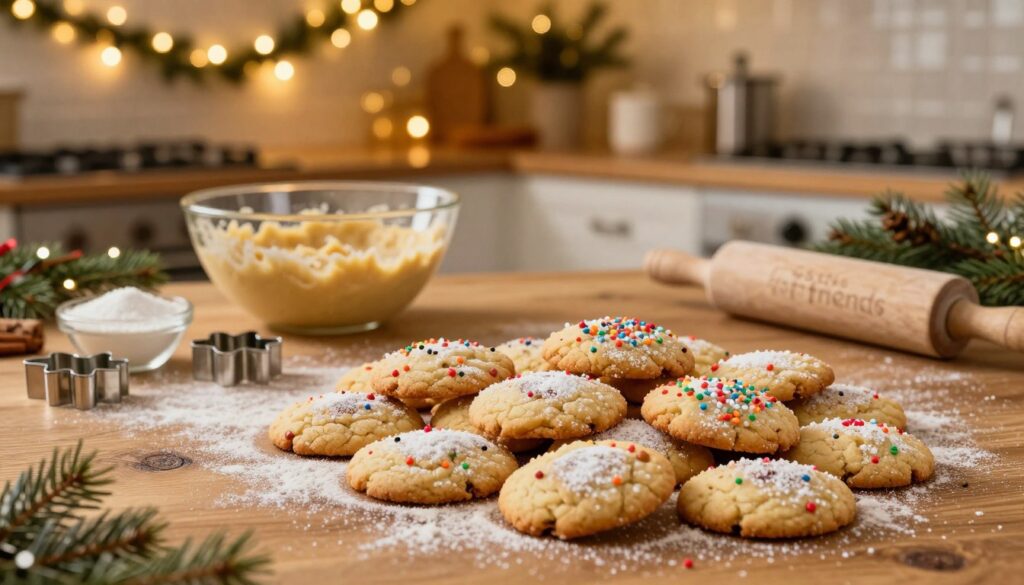
Bring the butter and eggs to the right temperature
Always start with room temperature ingredients to ensure they emulsify correctly. Cold butter will not cream properly, while cold eggs can cause the fat to curdle.
Set your butter and eggs on the counter about thirty minutes before you begin. This simple step creates a smooth, cohesive base for your buttery cookie dough.
Cream the butter and sugar until light and fluffy
Creaming is the process of beating butter and sugar together until the mixture becomes pale and airy. This step incorporates tiny air bubbles into the fat, which helps the cookies rise and stay light.
Use a medium-high speed on your mixer for about three minutes. You will know it is ready when the mixture looks like a thick, pale frosting.
Blend in the eggs, vanilla, and optional flavor extracts
Add your eggs one at a time, beating well after each addition to ensure full incorporation. Scrape down the sides of the bowl frequently to keep the mixture uniform.
Stir in your vanilla extract or other flavorings during this stage. Proper blending here prevents streaks of egg or uneven flavor distribution in your final batch.
Combine the dry ingredients without overmixing
Gently fold your dry ingredients into the wet mixture using a low speed or a sturdy spatula. Stop mixing as soon as the last streaks of flour disappear to maintain a tender cookie texture.
How to recognize properly mixed cookie dough
Properly mixed buttery cookie dough should look uniform and hold together when pressed. It should feel soft and pliable, not sticky or overly greasy.
Preventing tough cookies from excessive flour or mixing
Overworking the dough develops gluten, which leads to tough, dense results. Always measure your flour using the spoon-and-level method to avoid adding too much.
| Dough Issue | Common Cause | Fix |
|---|---|---|
| Dough is too sticky | Warm butter | Chill for 15 minutes |
| Dough is crumbly | Too much flour | Add a teaspoon of milk |
| Dough is tough | Overmixing | Mix only until combined |
By following these precise steps, you guarantee that your soft chewy Christmas cookies will have the perfect balance of flavor and structure. Consistency in your preparation method is the hallmark of a great baker.
Chill the Dough Before Rolling and Cutting
One secret to professional-looking holiday treats is giving your dough time to rest in the refrigerator. This simple step is essential for reliable holiday baking, as it transforms soft, sticky dough into a firm, workable base.
Why chilling prevents spreading and improves texture
When you chill your dough, the fats within the butter solidify. This prevents the cookies from spreading too quickly when they hit the heat of the oven. Properly chilled cookie dough maintains its crisp edges and intricate shapes, ensuring your festive designs look exactly as intended.
Divide the dough into manageable portions
Working with a massive ball of cold dough can be difficult and frustrating. Instead, divide your batch into two or three smaller, flat discs before you begin the cooling process. This method offers several advantages:
- It allows the dough to cool evenly throughout.
- Smaller portions are much easier to roll out quickly.
- You can pull out only what you need, keeping the rest cold.
Wrap and refrigerate the dough correctly
To keep your dough fresh, wrap each portion tightly in plastic wrap. Ensure there are no air gaps, as this prevents the dough from drying out or absorbing odors from your refrigerator. Place the wrapped discs on a flat surface to maintain their shape while they firm up.
Recommended chilling time for same-day baking
For the best results, let your dough rest in the refrigerator for at least one to two hours. This duration is usually sufficient to firm up the butter and relax the gluten. If you are in a rush, even thirty minutes in the freezer can provide a quick fix for reliable holiday baking.
How to freeze dough for future holiday baking
If you want to get a head start on your holiday preparations, freezing is a fantastic option. You can easily create make-ahead Christmas cookies by storing the wrapped dough in a heavy-duty freezer bag for up to three months. When you are ready to bake, simply thaw the dough in the refrigerator overnight. This strategy makes make-ahead Christmas cookies a stress-free way to manage a busy festive schedule.
Roll and Shape the Christmas Cookies
Creating perfect holiday cookies starts with the careful process of rolling and cutting your chilled dough. This stage is where your Christmas cookie cutouts truly begin to take form. By working efficiently, you ensure the dough remains at the ideal temperature for handling.
Roll the dough to an even thickness
Aim for a consistent thickness of about 1/4 inch for most recipes. Using rolling pin guides or spacers can help you achieve this uniformity across the entire sheet of dough. Even thickness is vital because it ensures that every cookie bakes at the same rate in the oven.
Cut festive shapes with clean, sharp cookie cutters
Press your cutters firmly into the dough to create crisp, festive cookie shapes. It is helpful to dip the edges of your cutters into a little flour before each press to prevent sticking. This simple trick keeps the edges of your dough clean and defined.
Transfer cutouts to lined baking sheets
Use a thin metal spatula to carefully lift your shapes from the work surface. Slide the spatula completely under the cookie to prevent stretching or distortion. Place them onto your prepared baking sheets with enough space for even heat circulation.
Reduce scraps without overworking the dough
When you have cut as many shapes as possible, gather the remaining scraps gently. Avoid kneading the dough too much, as this develops gluten and can make your decorated sugar cookies tough. Simply press the scraps together, chill them briefly if they become too soft, and roll them out once more.
Keeping cookies uniform for even baking
Uniformity is the secret to professional results. If you bake cookies of varying thicknesses on the same tray, the thinner ones will burn while the thicker ones remain raw. Always group similar sizes together to maintain consistent quality.
Using flour, powdered sugar, or parchment to prevent sticking
To keep your workspace clean and your dough manageable, consider these helpful techniques:
- Lightly dust your surface with flour to prevent the dough from adhering to the counter.
- Use powdered sugar instead of flour if you want to avoid adding extra starch to the dough.
- Roll your dough directly between two sheets of parchment paper for a mess-free experience.
Bake the Cookies Until Lightly Golden
Once your dough is shaped, the oven becomes the most important tool in your kitchen. Maintaining the correct Christmas cookie baking temperature is vital for achieving the perfect texture. Always preheat your oven at least twenty minutes before you begin to ensure the heat is stable throughout the entire baking chamber.
Preheat the oven and position the racks
For the best results, place your oven rack in the center position. This allows heat to circulate freely around the baking sheet. If you are baking multiple trays at once, ensure there is enough room for air to move between them to promote evenly baked cookies.
Arrange cookies with enough space for airflow
Crowding your baking sheet is a common mistake that leads to uneven cooking. Leave at least two inches of space between each cookie to allow for proper heat distribution. This spacing prevents the edges from browning too quickly while the centers remain raw.
How to judge doneness by edges, centers, and color
You should look for edges that are lightly golden and set. The centers should appear slightly soft or matte, which is the secret to maintaining chewy cookie centers. If the cookies look completely dry in the middle, they have likely been in the oven too long.
Adjusting bake time for thin and thick cookies
Thinner cookies require less time and may crisp up faster than thicker varieties. Keep a close eye on the oven during the final two minutes of the suggested bake time. If you prefer a softer bite, pull the tray out as soon as the edges show a hint of color.
Rotating baking sheets for more even results
Most home ovens have hot spots that can cause uneven browning. Halfway through the baking process, rotate your pans by 180 degrees. If you are using two racks, swap the top and bottom pans to ensure consistent heat exposure.
Cool cookies completely before decorating
Patience is essential once you remove the tray from the oven. Let the cookies rest on the hot sheet for five minutes to firm up before moving them to a wire rack. Never apply icing or glaze while the cookies are still warm, as this will cause your decorations to melt and slide off.
Common baking mistakes that cause spreading or dryness
Several factors can ruin the texture of your holiday treats. Avoiding these common errors will help you achieve professional results every time:
- Overmixing the dough: This incorporates too much air, causing cookies to collapse.
- Using warm baking sheets: Always let your pans cool down between batches to prevent premature spreading.
- Incorrect flour measurement: Too much flour leads to dry, crumbly cookies that lack moisture.
- Opening the oven door too often: This causes temperature fluctuations that disrupt the baking process.
Decorate the Cookies for a Festive Finish
Transforming your baked goods into festive dessert recipes is the most rewarding part of the holiday season. A little bit of creativity allows you to turn plain shapes into stunning edible art that captures the spirit of the holidays.

Make a simple royal icing or powdered sugar glaze
A smooth glaze or royal icing provides the perfect canvas for your designs. You can easily whip up a basic mixture using powdered sugar, a splash of milk, and a hint of vanilla extract.
Achieving the right icing consistency for outlining and flooding
Consistency is the secret to professional-looking cookies. For outlining, you want a thicker icing that holds its shape when piped. For flooding, thin the icing with a tiny amount of water until it reaches a syrup-like texture that levels out on its own.
Using gel food coloring for bright holiday designs
Gel food coloring is superior to liquid drops because it provides vibrant hues without thinning your icing. Start with a small amount to achieve deep reds, forest greens, or bright whites for your festive dessert recipes.
Apply sprinkles, sanding sugar, and edible decorations
Adding texture makes your cookies pop on a serving platter. Consider these popular options to enhance your designs:
- Sanding sugar for a sparkling, snow-covered effect.
- Crushed peppermint or candy canes for a refreshing crunch.
- Metallic nonpareils for a touch of holiday elegance.
- Chocolate drizzles to add depth and richness.
Create classic Christmas designs with simple piping techniques
You do not need to be a professional baker to create beautiful patterns. Simple techniques like zig-zags, dots, and outlines can create classic looks like stockings, stars, or wreaths. Using a small piping bag or a plastic squeeze bottle gives you the control needed for clean, sharp lines.
Let decorations set before stacking or packaging
Patience is vital when finishing your cookies. You must allow the icing to dry completely, which often takes several hours or even overnight. If you stack them too soon, the decorations will smudge, ruining your hard work and the presentation of your festive dessert recipes.
Easy Holiday Cookie Ideas and Flavor Variations
Holiday baking inspiration often starts with a single, versatile recipe that serves as a canvas for your creativity. By mastering one reliable dough, you can produce a wide array of treats that look and taste like they came from a professional bakery. These easy holiday cookie ideas allow you to save time while still impressing your guests with a diverse selection of sweets.
Turn the base dough into vanilla almond cookies
You can easily transform your standard dough by adding a teaspoon of high-quality almond extract. This simple change provides a sophisticated depth of flavor that pairs beautifully with a light dusting of powdered sugar. Many traditional christmas cookie recipes rely on this classic pairing to create a nutty, aromatic profile that defines the season.
Add citrus zest and cranberries for a bright seasonal variation
For a refreshing twist, fold in freshly grated orange zest and dried cranberries. The tartness of the fruit cuts through the richness of the butter, creating a balanced bite. This combination is a favorite for those who prefer a lighter, fruit-forward profile in their holiday desserts.
Make chocolate, peppermint, or spice-flavored cookies
If you crave something bolder, incorporate cocoa powder or warm spices like cinnamon, ginger, and cloves into your dry ingredients. You can also add crushed peppermint candies to the dough for a festive crunch. These variations are perfect for those who enjoy the classic, cozy flavors associated with winter celebrations.
“Baking is a labor of love that transforms simple ingredients into memories shared around the table.”
Adapt the recipe for sandwich cookies and thumbprints
Your base dough is sturdy enough to be rolled and cut into shapes for sandwich cookies. Simply spread a layer of ganache, jam, or buttercream between two cooled cookies to create a decadent treat. Alternatively, press your thumb into small dough balls to create a well for fruit preserves or melted chocolate, resulting in beautiful thumbprint cookies.
Combine different shapes and colors for a festive cookie platter
To create the most popular cookie recipes for Christmas, focus on visual variety. Arrange your cookies by mixing different shapes, such as stars, trees, and rounds, alongside varied glazes and toppings. A well-curated platter should offer a balance of textures and colors to delight every guest.
| Flavor Variation | Key Ingredient | Best Pairing |
|---|---|---|
| Vanilla Almond | Almond Extract | Powdered Sugar |
| Cranberry Orange | Dried Cranberries | Orange Glaze |
| Chocolate Peppermint | Cocoa Powder | Crushed Candy Canes |
| Spiced Gingerbread | Ground Ginger | Royal Icing |
Homemade Cookie Baking Tips for Consistent Results
Consistency is the secret ingredient that separates average cookies from bakery-quality masterpieces. By applying these homemade cookie baking tips, you can ensure that every batch you pull from the oven looks and tastes professional.
Measure flour accurately with the spoon-and-level method
Many bakers accidentally pack too much flour into their measuring cups, which leads to dry or crumbly results. To achieve accurate flour measurement, use a spoon to fluff your flour, then gently scoop it into your measuring cup. Level off the excess with the flat edge of a knife to ensure you have the exact amount required for the perfect dough consistency.
Keep dough temperature consistent from batch to batch
Temperature plays a vital role in how your cookies spread and set in the oven. If your dough becomes too warm, the butter will melt prematurely, causing the cookies to lose their shape. Keep your dough chilled between batches to maintain a consistent cookie texture throughout your entire baking session.
Use separate baking sheets for different cookie sizes
Baking cookies of varying sizes on the same tray often leads to uneven results. Smaller cookies will burn before larger ones are fully cooked. Always group similar sizes together on the same sheet to ensure they bake at the same rate.
Prevent stale ingredients from affecting flavor and texture
Fresh ingredients are the foundation of a delicious cookie. Check the expiration dates on your baking powder and spices, as these lose potency over time. Using fresh, high-quality staples ensures that your cookies have the best possible flavor profile without needing expensive specialty brands.
Test-bake one cookie before baking the full tray
Before you commit an entire sheet to the oven, perform a quick test bake. Place a single cookie on a small tray to see how it spreads and browns. This simple step allows you to adjust your oven temperature or baking time, guaranteeing that every cookie on your final tray is perfectly baked.
Storage, Packaging, and Cookie Exchange Serving Ideas
Properly handling your baked goods ensures they remain as fresh as the moment they left the oven. Mastering a few cookie storage tips will help you maintain that perfect balance of a soft center and a crisp, golden edge for days.
Store baked cookies to preserve softness and crisp edges
To keep your treats in peak condition, you must control moisture levels. Using the right environment prevents your hard cookies from becoming soft or your soft cookies from drying out.
Using airtight containers and parchment separators
Always store your cookies in high-quality airtight containers to lock in freshness. If you are stacking different varieties, place a sheet of parchment paper between each layer to prevent flavors from mingling and decorations from sticking.
Freezing decorated and undecorated cookies
Freezing is an excellent way to prepare for the holidays in advance. You can freeze undecorated cookies for up to three months, while decorated cookies should be frozen in a single layer before being transferred to a container to protect the icing.
Package cookies safely for gifting and cookie exchanges
When preparing Christmas cookie gifts, presentation is just as important as the flavor. Use sturdy boxes lined with festive tissue paper to ensure your treats arrive in perfect shape.
- Use clear cellophane bags tied with ribbon for a professional look.
- Include a small note with the flavor profile or allergen information.
- Add a decorative tag to personalize your delicious cookie exchange treats.
Arrange assorted cookies on a festive dessert tray
Creating a beautiful display is the highlight of any holiday gathering. You can easily assemble festive dessert recipes by grouping cookies by color, shape, or flavor intensity on a large platter.
| Display Element | Purpose | Tip |
|---|---|---|
| Centerpiece | Visual focus | Use a tiered stand |
| Variety | Flavor balance | Mix textures |
| Garnish | Festive flair | Add fresh berries |
Pair the cookies with hot cocoa, coffee, or spiced cider
The final step in enjoying your hard work is finding the perfect beverage pairing. A warm mug of spiced cider or rich hot cocoa complements the buttery notes of your cookies perfectly.
“The secret to a memorable holiday gathering is the combination of warm, homemade sweets and a cozy atmosphere shared with friends.”
Whether you are hosting a movie night or a large party, these pairings elevate the entire experience. Enjoying these treats with a hot drink creates a wonderful, lasting memory for your guests.
Conclusion
Mastering the best christmas cookies recipe transforms your kitchen into a hub of seasonal joy. You now possess the tools to measure ingredients with precision, chill dough for perfect shapes, and decorate with professional flair.
These reliable techniques ensure your holiday baking remains stress-free and enjoyable. Whether you are preparing treats for a neighborhood cookie exchange or a quiet Christmas Eve, your efforts bring warmth to every recipient.
Use this guide as your primary source of holiday baking inspiration throughout the winter season. Sharing homemade sweets builds traditions that friends and family will cherish for years. Start your oven, gather your favorite cutters, and enjoy the magic of baking from scratch.
Frequently Asked Questions about Christmas Baking
What is the secret to the best christmas cookies recipe?
The secret lies in using high-quality fats like real butter and ensuring your dough is properly chilled. This prevents spreading and guarantees that signature buttery texture found in the most popular cookie recipes for Christmas.
How can I find easy holiday cookie ideas for a busy schedule?
Look for “one-bowl” recipes or use a single versatile base dough that can be customized with different mix-ins like Ghirardelli chocolate chips or citrus zest. This provides plenty of holiday baking inspiration without requiring hours of prep for each variety.
What are the most traditional christmas cookie recipes I should try?
Classic choices include buttery shortbread, gingerbread men, and sugar cookie cutouts. These traditional christmas cookie recipes are pillars of the holiday season and are always a hit at any gathering.
Do you have any homemade cookie baking tips for perfect texture?
Always use the spoon-and-level method for measuring flour and never overmix your dough once the dry ingredients are added. These simple homemade cookie baking tips ensure your cookies remain tender rather than tough.
What makes a recipe one of the best festive dessert recipes for a party?
A great festive dessert recipe should be visually appealing and easy to eat while mingling. Cookies decorated with bright royal icing or seasonal sprinkles are perfect because they look beautiful on a tray and don’t require utensils.
How do I prepare delicious cookie exchange treats that stay fresh?
To ensure your delicious cookie exchange treats stay fresh, store them in airtight containers and place a piece of parchment paper between layers. If you are gifting them, sturdy cookies like gingerbread or shortbread travel much better than delicate lace cookies.
Where can I find holiday baking inspiration for unique flavors?
Look toward seasonal ingredients like cardamom, maple, or even sea salt. Combining salted caramel with a classic sugar cookie base is a modern way to find holiday baking inspiration that stands out from the crowd.