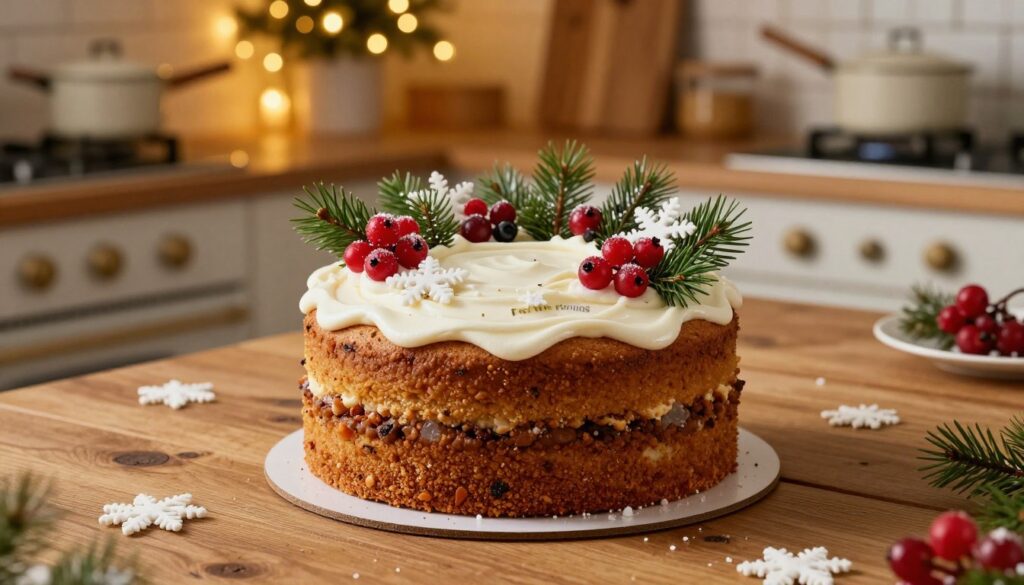
Did you know that traditional fruit-based sweets have been a staple of winter celebrations for over 500 years? This rich, moist treat remains the gold standard for holiday baking. Many people shy away from making these at home, but our simplified method changes everything.
You can achieve a velvety texture and deep, complex flavor without spending days in the kitchen. Our unique one-hour fruit-soaking technique ensures your dessert stays perfectly hydrated. Because of this intense moisture, you can serve it plain without needing heavy frosting or custard.
This guide provides practical tips for perfect results every time. We will explore how to elevate your festive desserts with simple decoration ideas and serving suggestions. Whether you are a novice or a pro, this christmas cake recepie will become a cherished part of your seasonal traditions.
Key Takeaways
- Master a rapid one-hour fruit soaking method for maximum flavor.
- Enjoy a dense, moist texture that requires no additional toppings.
- Learn essential tips for successful holiday baking at home.
- Discover creative ways to decorate your final masterpiece.
- Find expert serving suggestions for your next winter gathering.
Introduction to Christmas Cakes
Few things capture the spirit of the season quite like the aroma of a freshly baked cake cooling on the counter. These seasonal sweets serve as a centerpiece for many winter gatherings, offering a sense of comfort and nostalgia that defines the holidays.
The Tradition Behind Christmas Cakes
For generations, families have gathered in the kitchen to prepare rich, dense cakes filled with dried fruits and warm spices. This practice connects modern kitchens to centuries-old customs, where the act of baking was a way to mark the end of the harvest season.
The beauty of these cakes lies in their traditional flavors, which rely on a balance of deep, earthy notes and sweet, fruity undertones. By using high-quality ingredients, you ensure that every slice carries the legacy of those who baked before you.
Why Bake a Christmas Cake?
Choosing to bake your own homemade treats provides a level of satisfaction that store-bought alternatives simply cannot match. It allows you to control the quality of every component, ensuring a result that is perfectly suited to your family’s preferences.
Beyond the joy of eating, there are many practical reasons to embrace this holiday tradition:
- Thoughtful Gifting: A beautifully wrapped cake makes a personal and memorable gift for neighbors or coworkers.
- Versatile Serving: These cakes can be enjoyed as a simple afternoon snack or dressed up for a formal holiday dinner.
- Lasting Freshness: Many recipes for these seasonal sweets actually improve in texture and depth over time.
Whether you are hosting a large party or simply looking for a quiet way to celebrate, these homemade treats remain a staple of the season. They offer a wonderful way to slow down and appreciate the simple pleasures of winter.
Essential Ingredients for Your Christmas Cake
Achieving traditional flavors in your kitchen requires a careful balance of premium ingredients. When you start with high-quality components, you ensure that your final product is moist, aromatic, and deeply satisfying. Following these easy instructions will help you build a solid foundation for your holiday baking.
Dried Fruits and Nuts
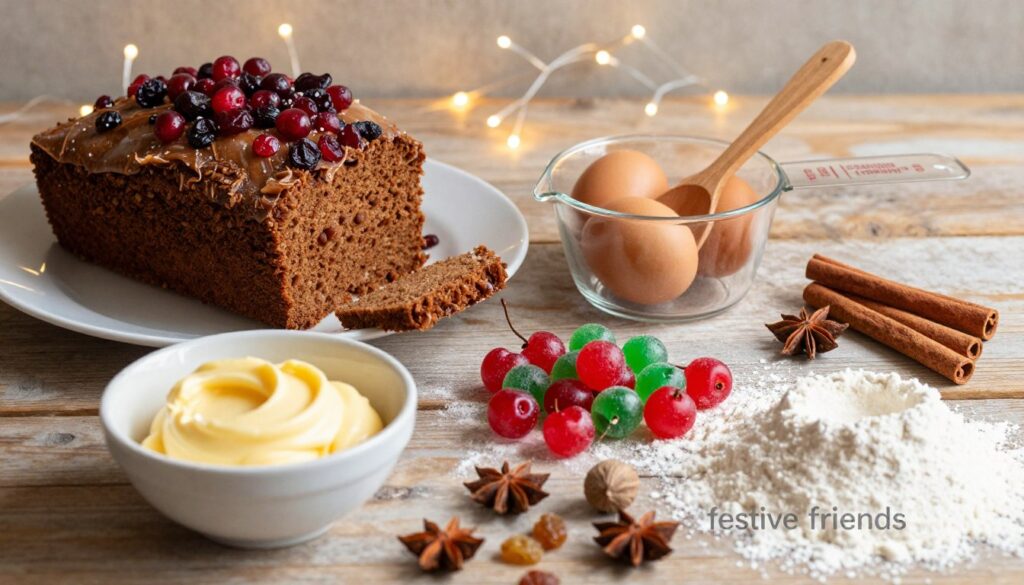
The heart of any holiday fruitcake lies in the quality of the fruit blend. You should aim for a total of approximately 855 grams of dried fruit to achieve the perfect texture. A classic mix includes raisins, sweet apricots, chopped dates, and bright glacé cherries.
For an extra layer of complexity, add finely chopped mixed peel to the bowl. If you enjoy a bit of crunch, feel free to fold in some toasted walnuts. These additions are essential for creating delicious cakes that stand out at any holiday gathering.
Spices that Make a Difference
The depth of your cake comes from the interaction between sugars and fats. Using dark brown sugar provides a rich, caramel-like sweetness, while molasses adds a signature earthy note. You can choose between apple juice for a lighter profile or a blend of juice and brandy for a more robust, aged character.
Incorporating butter and oil ensures the crumb remains tender for weeks. These fats carry the spices throughout the batter, creating a harmonious blend of aromas. Always measure your spices carefully to maintain the balance of traditional flavors.
Choosing the Right Flour
Selecting the correct flour is vital for the structure of your bake. All-purpose flour is generally the best choice for a sturdy yet soft crumb. Ensure your flour is fresh and properly sifted to avoid any lumps in your batter.
By following these easy instructions, you will find that the process becomes much more manageable. Proper preparation of your dry ingredients is the secret to consistently delicious cakes that your family will love.
| Ingredient Category | Primary Examples | Key Function |
|---|---|---|
| Dried Fruits | Raisins, Dates, Cherries | Moisture and sweetness |
| Fats | Butter, Vegetable Oil | Richness and texture |
| Sweeteners | Dark Brown Sugar, Molasses | Color and depth |
| Liquids | Apple Juice, Brandy | Flavor infusion |
Preparing Your Cake Batter
When you follow a reliable christmas cake recipe, the way you combine your ingredients determines the final quality of your holiday dessert. Achieving the perfect consistency requires a specific sequence that builds flavor and structure from the ground up.
Start by creaming softened butter and sugar until the mixture is pale and smooth. Gradually incorporate your oil, syrup, and aromatic spices before adding the eggs one at a time. Finally, fold in your flour, dried fruits, and crunchy walnuts to complete the base.
Mixing Techniques for a Fluffy Cake
It is important to note that this specific style of cake is meant to be dense rather than light and airy. By using only one-half teaspoon of baking powder, you ensure the final product maintains a rich, traditional crumb that holds up well over time.
Gentle mixing is the secret to success when preparing these homemade treats. Overworking the batter can lead to a tough texture, so always use a light hand during the final stages of incorporation. This careful approach helps your cake retain a soft, moist quality that defines a classic holiday bake.
Tips for Perfectly Blended Ingredients
Following easy instructions will help you achieve professional results in your own kitchen. Ensure all your refrigerated items, such as eggs and butter, reach room temperature before you begin. This simple step allows for a more uniform emulsion, preventing the batter from curdling during the mixing process.
Use the following table to keep your preparation sequence organized and efficient:
| Step | Ingredient Category | Purpose |
|---|---|---|
| 1 | Butter and Sugar | Creates the base structure |
| 2 | Liquids and Spices | Adds moisture and aroma |
| 3 | Eggs | Provides binding and richness |
| 4 | Flour and Mix-ins | Adds body and texture |
Baking Your Christmas Cake
Achieving the perfect bake is the most critical step in your holiday baking journey. While the preparation of the batter is vital, the actual time spent in the oven determines the final texture and moisture of your dessert. Following these easy instructions will help ensure your cake is a centerpiece for your upcoming winter celebrations.
Oven Temperature and Timing
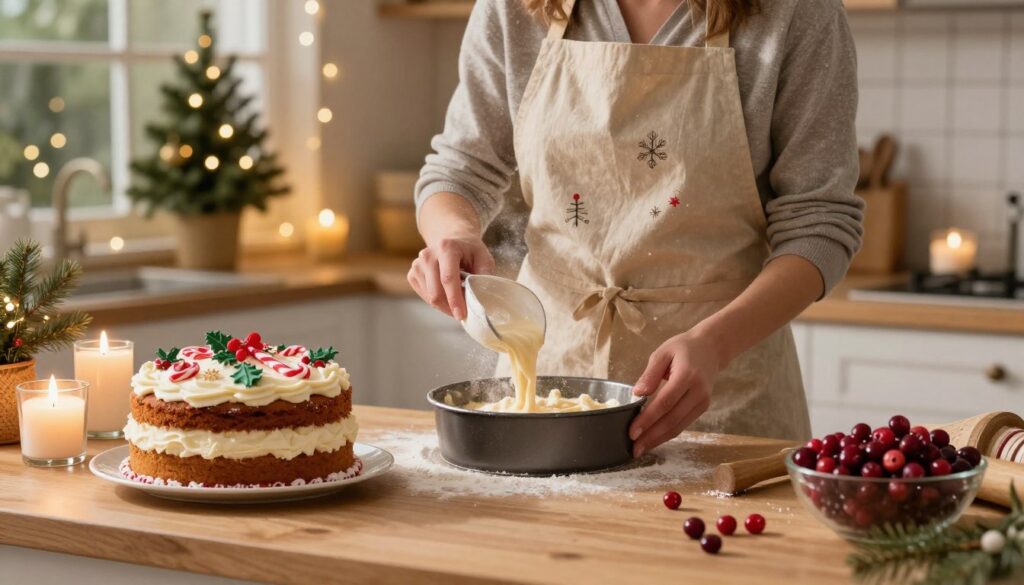
Preheat your oven to 300°F (150°C) to allow for a slow, even rise. Line your cake tin with double layers of parchment paper to protect the sides from burning during the long cooking process. This preparation is essential for maintaining the integrity of the fruit-filled batter.
Place your cake in the center of the oven and bake it covered with a piece of parchment or foil for two and one-half hours. After this initial period, remove the cover to allow the top to brown beautifully. Continue baking for an additional thirty to forty-five minutes until the surface is firm to the touch.
Preventing Overbaking
Monitoring your oven closely is the best way to avoid dry edges or an underbaked middle. Use a wooden skewer to test the center of the cake; it should come out clean or with just a few moist crumbs attached. If the top browns too quickly, you can tent it loosely with foil to prevent further darkening.
The following table outlines the key stages of the baking process to help you achieve consistent results every time you bake.
| Baking Stage | Duration | Temperature | Action Required |
|---|---|---|---|
| Initial Bake | 150 Minutes | 300°F | Keep pan covered |
| Final Browning | 30-45 Minutes | 300°F | Remove cover |
| Cooling Phase | 60 Minutes | Room Temp | Leave in tin |
Decorating Your Christmas Cake
While the rich flavor of these cakes stands on its own, adding a decorative touch brings extra holiday cheer. You might prefer a minimalist approach, or you may enjoy the process of crafting elaborate homemade treats for your loved ones.
Because the texture is naturally moist and dense, you are never required to frost the surface. Many bakers find that the deep, spiced aroma is enough to make these delicious cakes the highlight of the dessert table.
Traditional Icing Options
If you decide to dress up your bake, several classic methods provide a professional finish. A simple dusting of powdered sugar is perfect for a rustic look, while a thick white glaze offers a snowy, festive appearance.
For those who prefer a smooth, polished surface, consider these traditional techniques:
- Marzipan layer: Apply a thin coat of almond paste to create a smooth base.
- Fondant finish: Roll out white fondant over the marzipan for a clean, professional look.
- Royal icing: Use this for intricate piping or to create a textured, snow-like effect.
Creative Decoration Ideas
Beyond standard icing, you can personalize your creation with various ornaments and edible accents. Adding a few glacé cherries or candied fruits provides a vibrant pop of color that contrasts beautifully with the dark, rich crumb.
To elevate your homemade treats, try incorporating these decorative elements:
- Ribbons: Wrap a festive satin ribbon around the base for an elegant touch.
- Safe ornaments: Place food-safe holly sprigs or miniature figurines on top.
- Textured patterns: Use a fork or a specialized tool to create patterns in the glaze.
Remember that the goal is to have fun with your delicious cakes. Whether you choose a simple dusting or a complex fondant design, your effort will surely be appreciated by everyone at the table.
Storing and Aging Your Christmas Cake
Proper storage is the secret to unlocking the full potential of your holiday baking. While many recipes require extensive preparation, this method utilizes a one-hour heated soaking process to infuse the ingredients quickly. This approach allows you to create high-quality seasonal sweets without the need for overnight soaking.
Why Aging Can Enhance Flavor
Resting your cake after baking is essential for achieving the best taste profile. During this time, the fruit, spices, and syrup continue to meld together, creating a deeper complexity. This maturation process ensures that the traditional flavors are fully integrated throughout every slice.
The syrup and spice components benefit significantly from this quiet period. As the cake sits, the moisture redistributes evenly, resulting in a crumb that is both dense and tender. Patience during this stage rewards you with a much richer dessert experience.
Best Practices for Storage
To maintain the quality of your cake, you must protect it from air and moisture loss. Using the right materials will keep your cake fresh for an extended period. Follow these guidelines to ensure your seasonal sweets remain in perfect condition:
- Airtight Packaging: Always wrap your cake tightly in parchment paper followed by a layer of aluminum foil or plastic wrap.
- Refrigeration: For short-term storage, keep the cake in the refrigerator for up to two to three months.
- Freezing: If you plan to save your cake for a special occasion later, it can be frozen for up to one year.
When you are ready to serve, allow the cake to reach room temperature slowly. This helps preserve the traditional flavors and ensures the texture remains consistent. Proper care guarantees that your hard work results in a delicious centerpiece for your holiday table.
Serving Your Christmas Cake
Mastering the art of service turns a simple dessert into a memorable holiday highlight. While these delicious cakes are often rich enough to stand alone, the right accompaniment can truly elevate the experience. Whether you prefer a simple slice or a more elaborate presentation, your guests will surely appreciate the effort.
Pairing Desserts with Christmas Cake
You can serve your cake plain to let the deep, spiced fruit flavors shine through. However, many people enjoy balancing the dense texture with lighter festive desserts or creamy additions. A classic choice is a warm, velvety custard poured over a thin slice.
To make your custard feel extra special, stir a small amount of high-quality vanilla bean paste into a store-bought version. This simple trick adds a professional touch, providing a richer appearance and a fresher, more aromatic flavor profile. As the saying goes:
“A party without cake is just a meeting.”
How to Cut and Serve Properly
Because these delicious cakes are incredibly dense and packed with dried fruits, they are best enjoyed in small portions. Cutting the cake into thin wedges or narrow strips is the secret to success. This method makes the rich dessert easier to eat and prevents guests from feeling overwhelmed by the intensity of the flavors.
By using a sharp, thin-bladed knife, you can achieve clean cuts without crumbling the delicate fruit structure. A standard-sized cake will typically yield approximately twenty to twenty-five servings when sliced this way. This ensures that everyone gets a perfect taste of your hard work while leaving enough for seconds or leftovers.
Common Mistakes to Avoid
Even the most experienced bakers can encounter unexpected hurdles during winter celebrations. While the process is rewarding, small errors can often lead to disappointing results if you are not careful. Maintaining focus throughout your holiday baking routine ensures that your final product is as delicious as it looks.
Overmixing the Batter
One of the most frequent errors occurs when bakers overwork the batter after adding flour. This action develops excess gluten, which can result in a tough, rubbery texture rather than a light, airy crumb. In some cases, the cake may even sink in the middle because the structure becomes too dense to hold its shape.
To prevent this, fold your dry ingredients into the wet mixture gently using a spatula. Stop mixing as soon as you no longer see streaks of flour. Patience is truly a virtue when it comes to achieving the perfect consistency for your festive desserts.
“Baking is a science, and every measurement and movement counts toward the final masterpiece.”
Ignoring Ingredient Quality
The quality of your components directly impacts the final flavor profile of your cake. Using low-grade dried fruits or old spices can lead to a dull, uninspired taste that fails to impress during your winter celebrations. Always opt for high-quality, plump fruits and fresh, aromatic spices to elevate your holiday baking projects.
Furthermore, never rely solely on your oven’s built-in thermostat, as these can often be inaccurate. If your oven runs too hot, the exterior may burn before the center is fully cooked. We recommend checking your cake five to seven minutes before the timer ends and using a skewer to verify that it comes out clean.
| Common Error | Resulting Issue | Recommended Fix |
|---|---|---|
| Overmixing | Tough or sunken cake | Fold gently until just combined |
| Poor Ingredients | Lack of depth and flavor | Use fresh, high-quality items |
| Inaccurate Heat | Burnt crust, raw center | Use an oven thermometer |
Variations on the Classic Recipe
You can easily modify classic recipes to create inclusive festive desserts that cater to every guest at your table. By adjusting a few core components, you ensure that no one misses out on the joy of a traditional holiday treat.
Gluten-Free Christmas Cake Options
Baking for those with gluten sensitivities is simpler than ever thanks to high-quality all-purpose gluten-free flour blends. These mixtures often contain xanthan gum, which provides the necessary structure to hold your dried fruits and nuts together.
When preparing these seasonal sweets, consider swapping traditional walnuts for pecans or blanched almonds to add a different texture. If you prefer to avoid certain fruits, you can easily substitute them with dried cranberries or cherries to maintain the moisture levels of the cake.
Vegan Alternatives
Creating a plant-based version of this holiday staple is entirely possible with the right substitutions. You can replace eggs with flax seeds or commercial egg replacers, while dairy butter can be swapped for high-quality vegan butter sticks.
For the liquid component, you might replace apple juice with a mild pear or white grape juice to keep the flavor profile balanced. Whether you choose to serve the cake fresh or cured with spirits for a deeper, more complex taste, these adjustments ensure your dessert remains a highlight of the celebration.
Conclusion and Final Tips
Baking a perfect dessert requires patience and a love for the process. This christmas cake recipe offers a reliable path to creating a rich, moist centerpiece for your table.
You can easily adapt the fruit soak or the spice blend to suit your personal taste. These homemade treats provide a sense of accomplishment that store-bought options simply cannot match.
Adding Your Unique Flair
Feel free to experiment with different dried fruits or swap brandy for fruit juice to create a version that fits your lifestyle. Your choice of icing or decorative nuts turns a standard loaf into a work of art.
Small adjustments make each batch feel special. Your kitchen becomes a creative space where you define the final flavor profile.
Building Lasting Memories
Proper storage ensures your cake stays fresh throughout the busy season. A well-aged cake serves as a dependable staple for winter celebrations.
Sharing these slices with friends and family creates a meaningful ritual. You build a legacy of warmth and flavor that returns every year.
FAQ
Does this Christmas cake recipe require alcohol to stay moist?
No, this version is designed to be a moist fruit cake using Martinelli’s Apple Juice for the soaking liquid. While you can add Grand Marnier for a deeper flavor, the combination of butter, oil, and molasses ensures delicious cakes even without spirits.
How can I ensure my homemade treats don’t have dry edges?
Following the easy instructions for staged baking is key. By keeping the cake covered with foil for the first two and a half hours, you protect the edges while the center cooks through, ensuring perfect winter celebrations without burnt bits.
Are there specific seasonal sweets I can serve alongside this cake?
This dense cake pairs beautifully with lighter festive desserts like a tart lemon sorbet or a simple vanilla bean custard. These pairings help balance the traditional flavors of the warm spices and rich dried fruits.
Can I use this recipe for holiday baking gifts?
Absolutely. These homemade treats are perfect for gifting because they are sturdy and have a long shelf life. Simply wrap them in decorative parchment and a festive ribbon for a thoughtful, edible present.
What makes this one of the best delicious cakes for a crowd?
Because of its density and richness, you only need small portions to be satisfied. A single 8-inch cake can provide up to 25 servings, making it a highly efficient choice for large winter celebrations.
Is the one-hour soaking method effective for traditional flavors?
Yes, the heated soaking method allows the Sun-Maid raisins and other fruits to absorb moisture rapidly. This provides the same plump texture as overnight soaking but fits into a much tighter holiday baking schedule.
Leave a Reply